Why Play Based Learning Matters (Especially for Neurodivergent Children!)
If learning has ever felt like a battle in your home or classroom, you’re not alone!
If learning has ever felt like a battle in your home or classroom, you’re not alone. For many children and adults who learn differently, traditional, sit still and write it down approaches can feel overwhelming, exhausting, or even unsafe. That’s where play based learning quietly changes everything.
Play is not a break from learning.
Play is learning.
And for neurodivergent children, it’s often the most natural, accessible and powerful way learning can happen.
Play Lowers the Pressure First
One of the biggest barriers to learning isn’t ability. It’s stress.
When a child is anxious, masking, overwhelmed, or worried about getting things wrong, their brain is in survival mode. That makes it incredibly hard to concentrate, retain information, or take risks.
Play creates emotional safety.
Games feel familiar. Predictable. Enjoyable.
They don’t come loaded with expectations or judgement.
When we sit down to play cards, roll dice, or move counters around a board, the nervous system settles. Once the body feels calm, the brain becomes open to learning again.
That emotional safety is not a bonus. It’s the foundation.
Learning Sneaks In Through Play
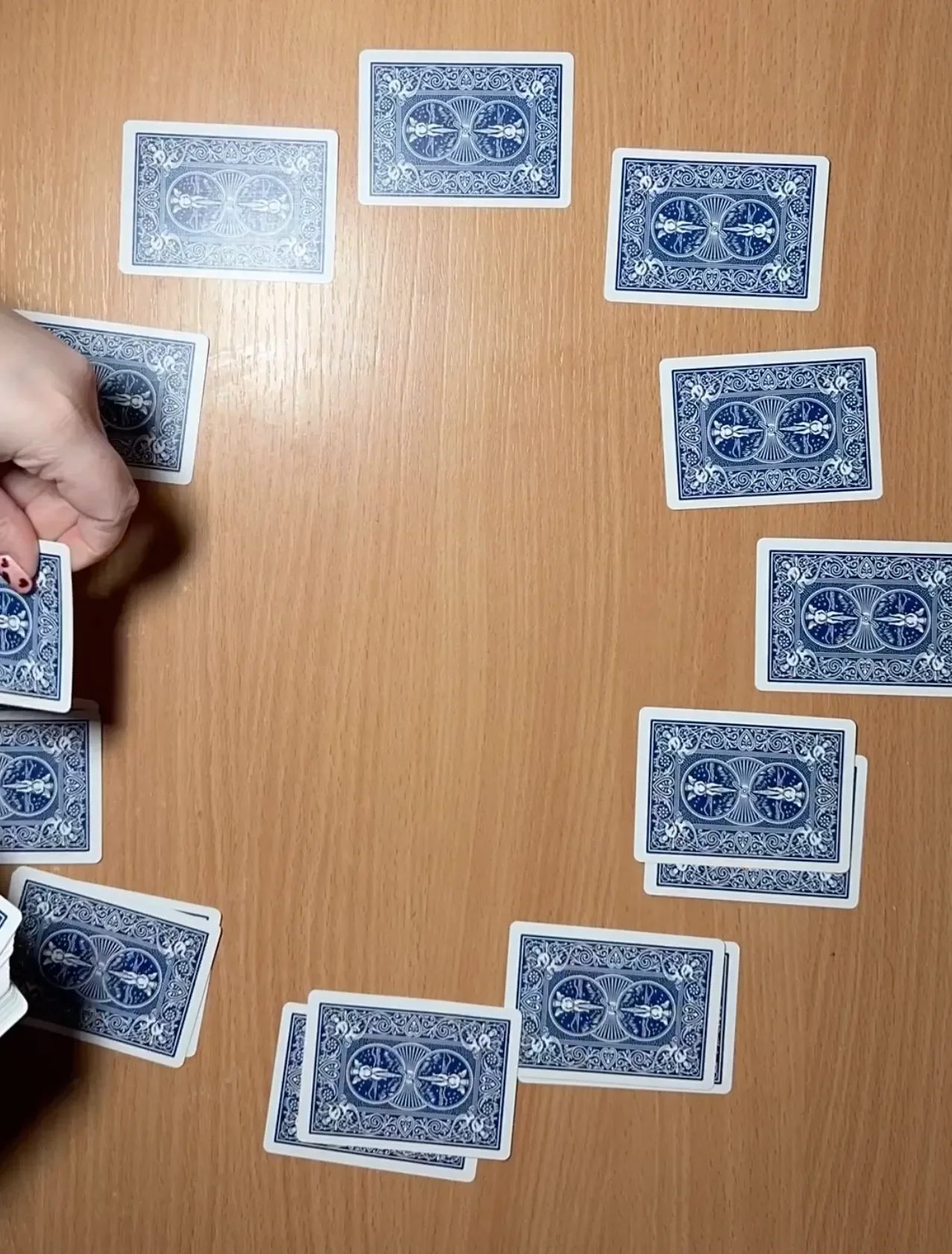
In the posts I am sharing this week, I talked about three card and board games many of us already have at home:
Clock Patience,
Solitaire,
Snakes and Ladders,
Monopoly.
On the surface, they look like “just games.”
But underneath, they’re quietly building skills across literacy, numeracy, executive functioning, and social understanding.
Through play, children practise:
Turn taking and waiting,
Pattern spotting and sequencing,
Counting, number recognition and strategy,
Planning ahead and flexible thinking,
Managing frustration and disappointment,
Following rules and adapting when things change.
All without feeling like they’re being tested.
For neurodivergent learners, this matters hugely. Skills develop best when they’re experienced, not forced.
Play Supports Regulation and Focus
Many neurodivergent children need movement, sensory input, or hands on engagement to stay focused. Sitting still and writing can actually make learning harder, not easier.
Games allow:
Hands to move,
Eyes to track,
Bodies to shift position,
Brains to stay engaged.
This kind of active learning supports regulation and attention far more effectively than worksheets ever could.
And importantly, it respects how that child’s brain works.
Small Adaptations, Big Impact
One of the most powerful things about play based learning is how adaptable it is.
A single game can be gently tweaked to support different skills:
Adding verbal reasoning questions,
Encouraging explanation of choices,
Adjusting rules to reduce pressure,
Focusing on one skill at a time,
Playing cooperatively instead of competitively.
These small changes can turn a simple game into targeted, meaningful learning without removing the joy.
That balance matters.
Confidence Grows Through Success
So many neurodivergent children experience learning as a cycle of effort followed by failure. Over time, that chips away at confidence and self belief.
Play flips that script.
Games offer achievable wins, clear rules, and immediate feedback. Children experience themselves as capable again. They start to trust their thinking. They take risks because the stakes feel safe.
Confidence grows quietly, but it lasts.
And confident learners are far more willing to engage with challenges later on.
Play Is Not a Shortcut. It’s a Bridge.
Play based learning isn’t about avoiding challenge.
It’s about accessing it.
It bridges the gap between where a learner is now and where they want to be, without shame, pressure, or force.
For neurodivergent children especially, play says:
You’re allowed to learn in a way that works for you.
Your brain isn’t broken.
Learning can feel good.
And honestly? That’s where real progress begins!
If you’re reading this and thinking “this sounds like my child” or “this is the kind of learning I wish school looked like”, you don’t have to navigate it on your own!
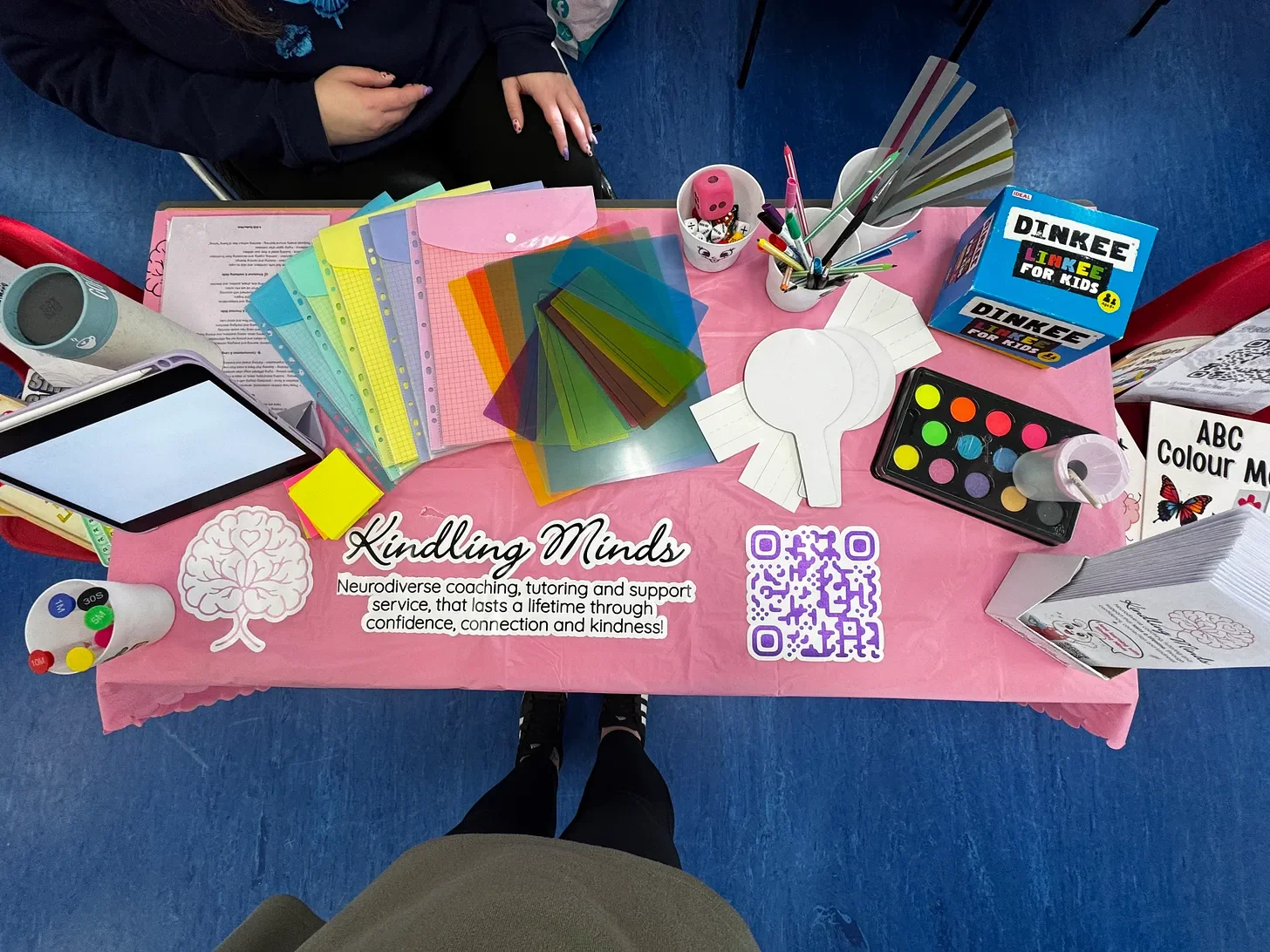
I offer one to one play based tutoring, coaching and confidence led support, tailored to neurodivergent learners and their families. Sessions are calm, flexible, and built around what helps your child feel safe, capable and understood.
✨ You can book a consultation if you’d like space to talk things through, ask questions, and explore what support might look like.
✨ Or book a session if you’re ready to get started and want learning to feel lighter and more positive again.
Whether you’re at the very beginning or somewhere in the middle, you’re welcome here.
Small steps. Real change.
If you’d like to chat or book in, the link is below 💛