When networking is about belonging, not business!
Networking used to make me feel sick to my stomach. As an autistic business owner, walking into rooms full of strangers felt overwhelming and unsafe. Here's what changed...
Networking, but make it human (and neurodivergent friendly)
Networking used to make me feel physically sick. Not in a nervous excitement kind of way, but in a real, stomach turning sense of dread. Walking into a room full of strangers and being expected to start conversations felt overwhelming and exhausting. For my autistic brain, it was one of the hardest things I could imagine.
For a long time, I believed networking was only for confident people. People who could glide between conversations, make small talk effortlessly, and never second guess what to say next. I assumed it simply was not made for people like me.
What changed was realising that networking does not have to be about performance. It can be about connection. It can be about community. It can be about finding people you can lean on for ideas, support, and confidence when you need it most.
My perspective shifted after connecting with South of Scotland Enterprise and the Pathways team. For the first time, I was in rooms that felt accepting rather than intimidating. I realised that networking is not scary when you are surrounded by people who genuinely want others to succeed. That experience softened my fear and helped me understand that networking does not have to feel transactional or forced. It can feel human.
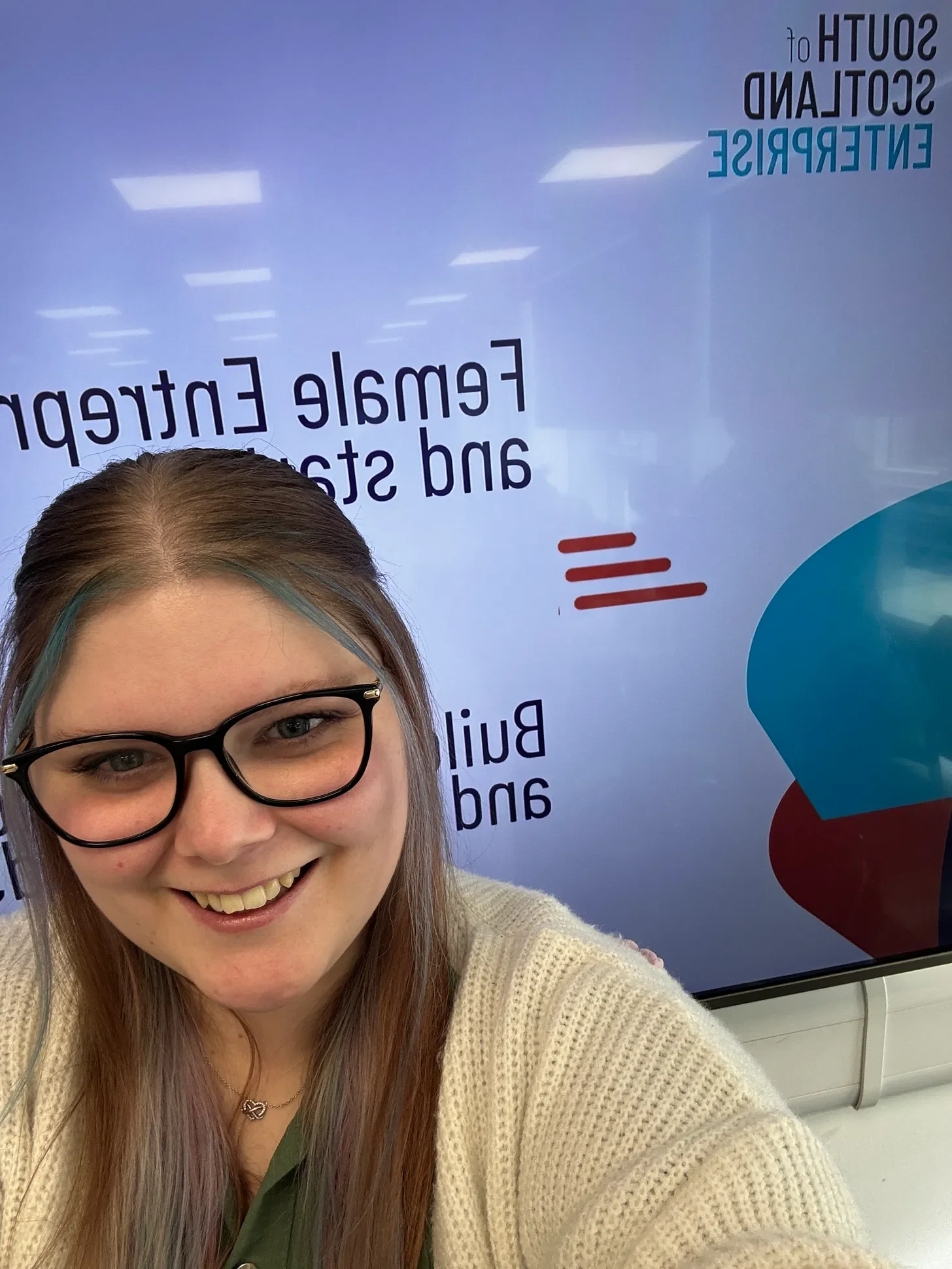
By gently pushing myself to face the discomfort, I met people who became instrumental in the growth of Kindling Minds. Through SOSE and Pathways, I learned how to start, run, and fund a business. More importantly, I found a community of like minded women who were all trying to better society in their own ways. For the first time in a long time, I felt seen.
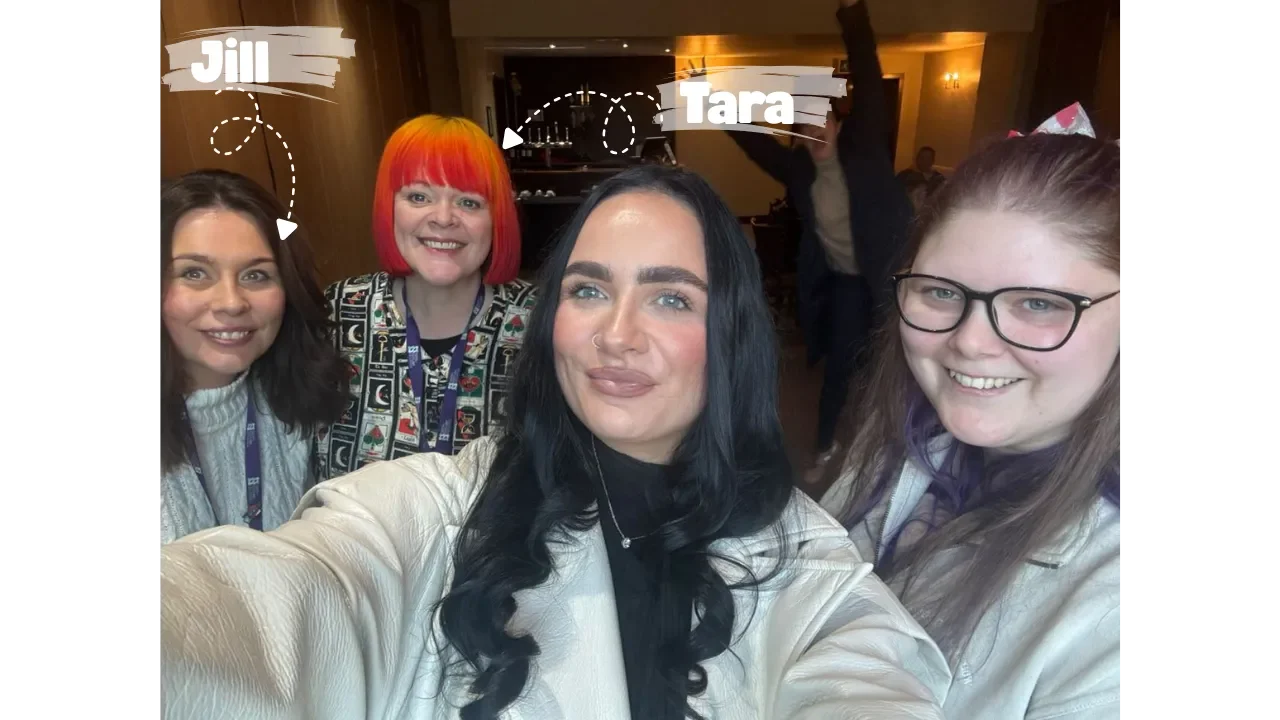
Through the incredible support of Jill, I began to feel valued, heard, and more confident in being myself. That confidence did not come from learning how to network “better”. It came from being in spaces where I did not have to mask or pretend. Networking will probably always feel a little hard for me, but now I know that I can find one or two people in any room and I will be okay. The anxiety that once came with networking has softened, and I now actively seek out opportunities to connect, not because it is easy, but because I know the right people are worth it.
One moment that stands out clearly for me was week one of the building confidence course with Jill and Tara. We were asked to reflect on what fills our cup both personally and professionally, and then to create a tree of the people who support us and help us feel good. Through the conversations that followed, I realised something powerful. I was sitting in a room full of people who felt the same way I did. Even more incredibly, I was in a room with other neurodivergent people. That simple acknowledgement, paired with the soft, kind, and gentle support from Jill and Tara, helped me feel calm and safe in a room of strangers. Those strangers are now good friends.
I think one of the biggest misunderstandings about networking is that it is only about advancing your business or making connections that feel strategically valuable. When networking is approached this way, it can close doors rather than open them. Some of the most meaningful connections come from conversations that do not look useful on paper. The person you least expect might impact your work or confidence in ways you could never plan for.
For neurodivergent people, networking can be particularly challenging. Sensory overload, social expectations, and the pressure to perform can make these spaces feel inaccessible. But neurodivergent networking also brings strengths that are often overlooked. Many of us naturally seek connection that feels safe and familiar. We value depth, honesty, and shared understanding. Because of this, we often build meaningful relationships with people who have incredible skills and insight, even if they are not the typical connections others might pursue.
I have found online networking far less intimidating, as it removes the pressure to engage before I feel ready. It allows time to process and respond in a way that feels authentic. One practical tool that has helped me is creating a simple template for connection messages. Starting from a blank message can feel overwhelming, but editing a kind and generic template feels manageable and calming.
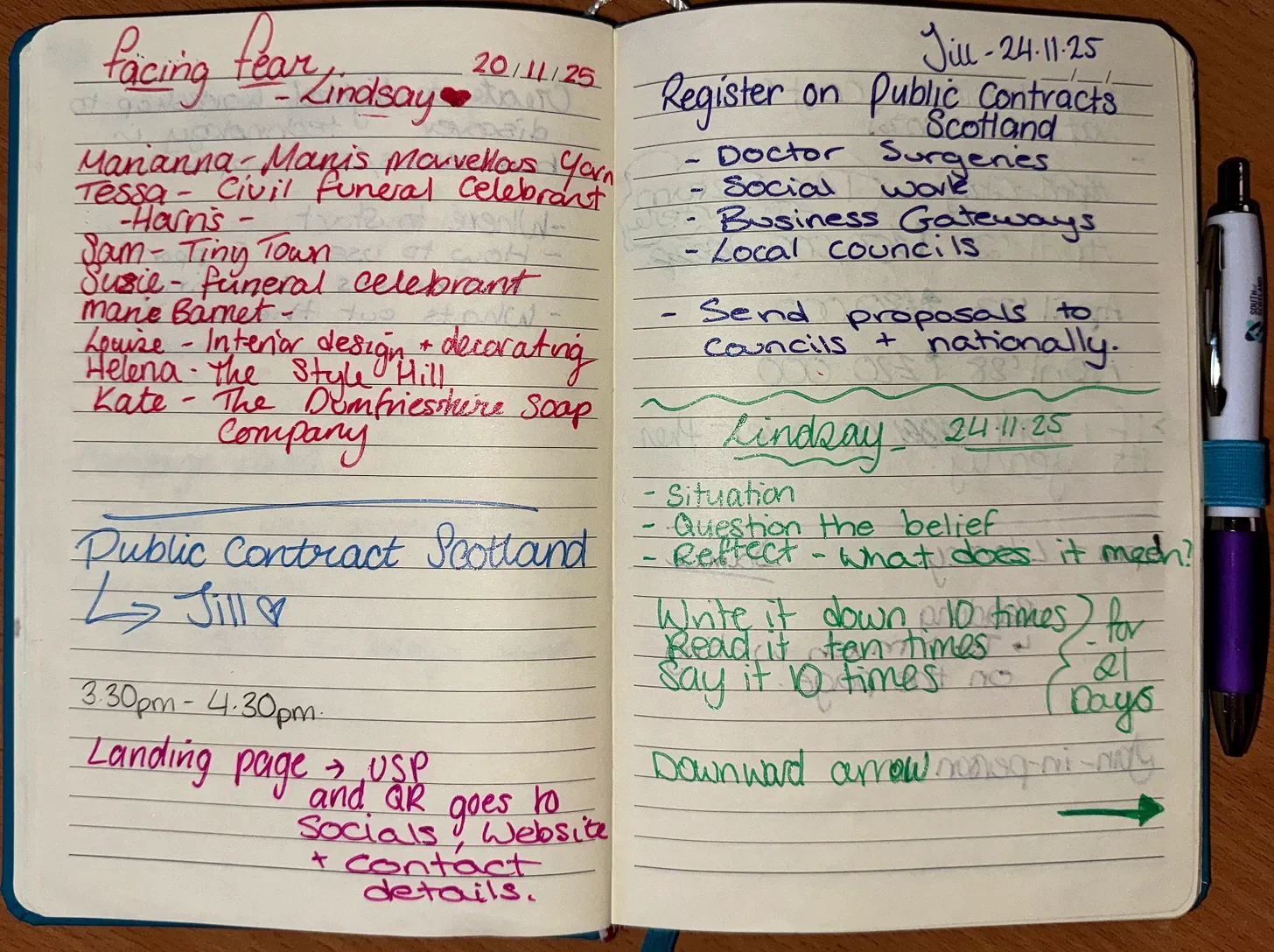
Taking notes during one to one conversations has also helped me enormously. It supports my memory, eases awkward silences, and helps me follow up in a way that feels thoughtful rather than forced. I have also found workshops to be a gentle way to network. Learning alongside others removes the pressure to perform and creates natural opportunities for connection through shared experience.
My values shape how I network. I lead with honesty, including my struggles. I respond with kindness, regardless of the message. Even when someone reaches out offering a service I cannot afford or do not need, I respond warmly and clearly. I naturally filter connections based on how safe I feel. When someone takes time to get to know me and values the work I am doing, I feel calmer and more open.
Networking matters deeply for small businesses. It offers insight you cannot get from online searches alone. It allows you to learn from others’ experiences, avoid mistakes, and have meaningful conversations with people who have already walked the path. It provides community in moments when building something can feel lonely.
If networking feels scary for you, I want you to know that you are not alone. You do not need to jump into big rooms or loud events. Start small. Follow people online who share your values. Like their posts. Leave a comment when you feel ready. Try a small event that aligns with your interests. Bring someone with you if that helps you feel safe.
You do not need to become fearless. You only need to take the next smallest step that feels possible.
Small steps. Real change.
If this resonated, I’d love to hear your experience. What has networking felt like for you, or what would make it feel safer?